
Turning memory into something people can experience.
The Good Old Days
Good Old Days began with a simple observation: some of the things we remember most aren't extraordinary moments. They're the food someone made, the objects that sat in our homes, the questions our families always asked and the rituals we barely noticed at the time. We explored how those memories could become the foundation for a cultural lifestyle concept designed around connection, storytelling and shared experience.
Concept Development · Experience Direction

The ordinary things were often the
ones we remembered.
Food, recipes, familiar objects, family sayings and everyday rituals can seem insignificant while we're living them. But over time, they become markers of people, places and periods of our lives.
What if those memories could become experiences worth sharing?
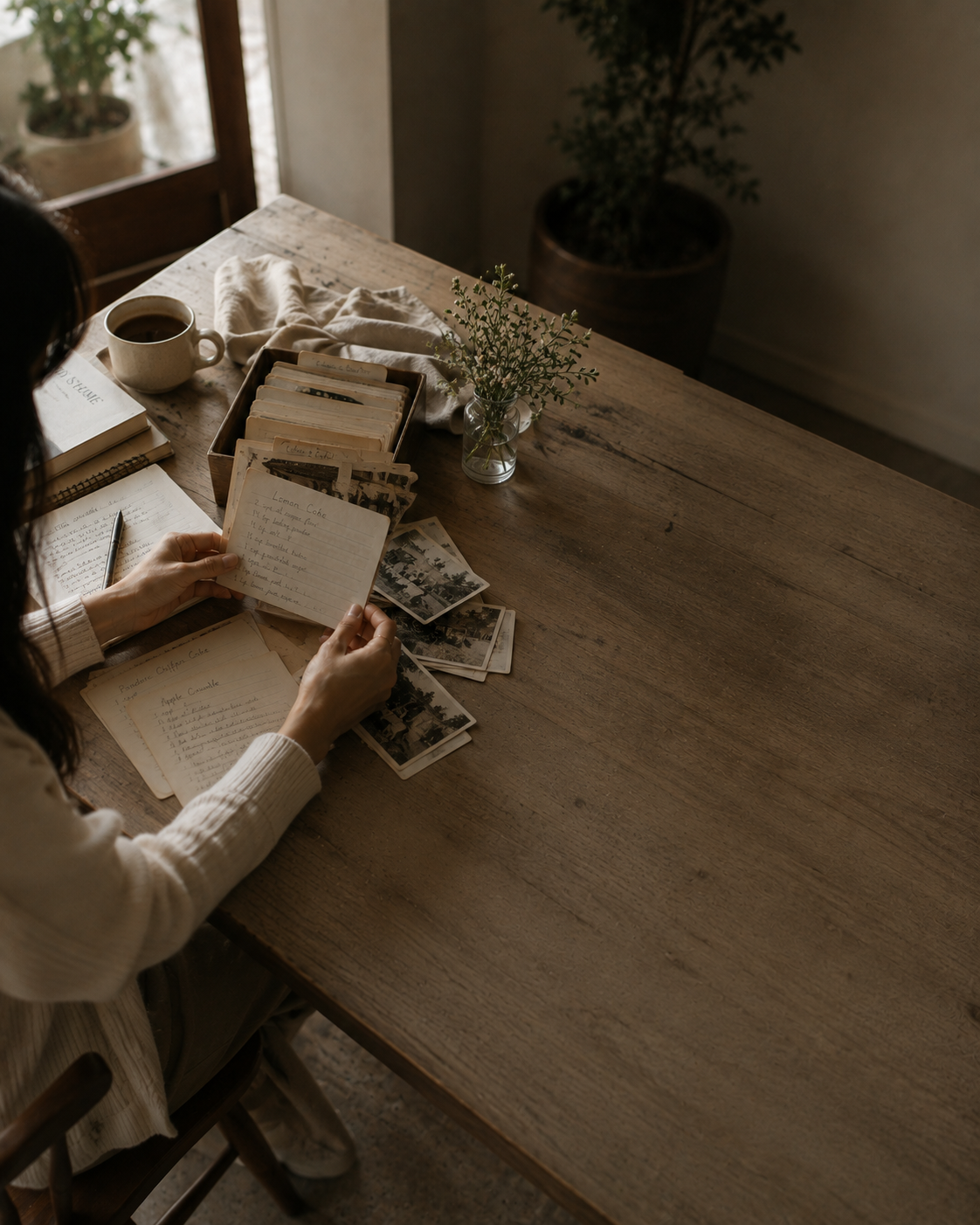
Nostalgia wasn't the idea. Connection was.
Good Old Days wasn't about simply recreating the past or making things look nostalgic.
The opportunity was to use familiar memories as a way into stories — creating moments of recognition that encourage people to remember, talk and share their own experiences.
The past becomes meaningful when it helps us connect in the present.
One idea opened up many ways to experience it.
Stories
Personal memories and cultural observations became material for storytelling.
Objects
Everyday things became prompts for remembering the people and rituals attached to them.
Food
Recipes and familiar flavours became ways of carrying memory forward.
Gathering
Shared experiences created opportunities for memories to be exchanged rather than simply observed.
Content
Digital and physical storytelling allowed the idea to continue beyond a single moment or format.
Designing for recognition
The experience was shaped around a simple principle: people should encounter something familiar enough to make them stop, remember and want to share their own story. Four principles guided the experience:
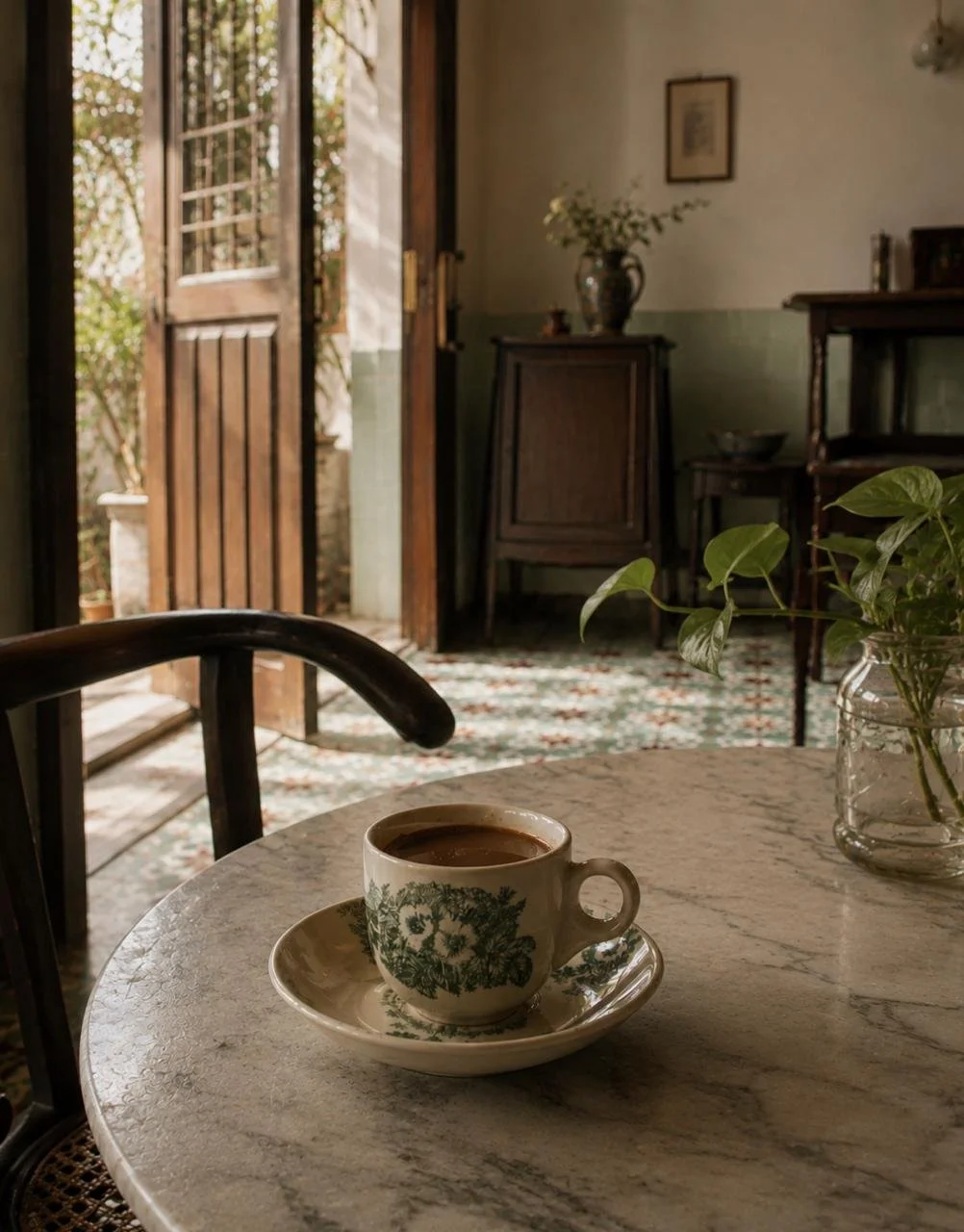
Familiar
Begin with things people already recognise.

Make space for individual memories and stories.
Personal
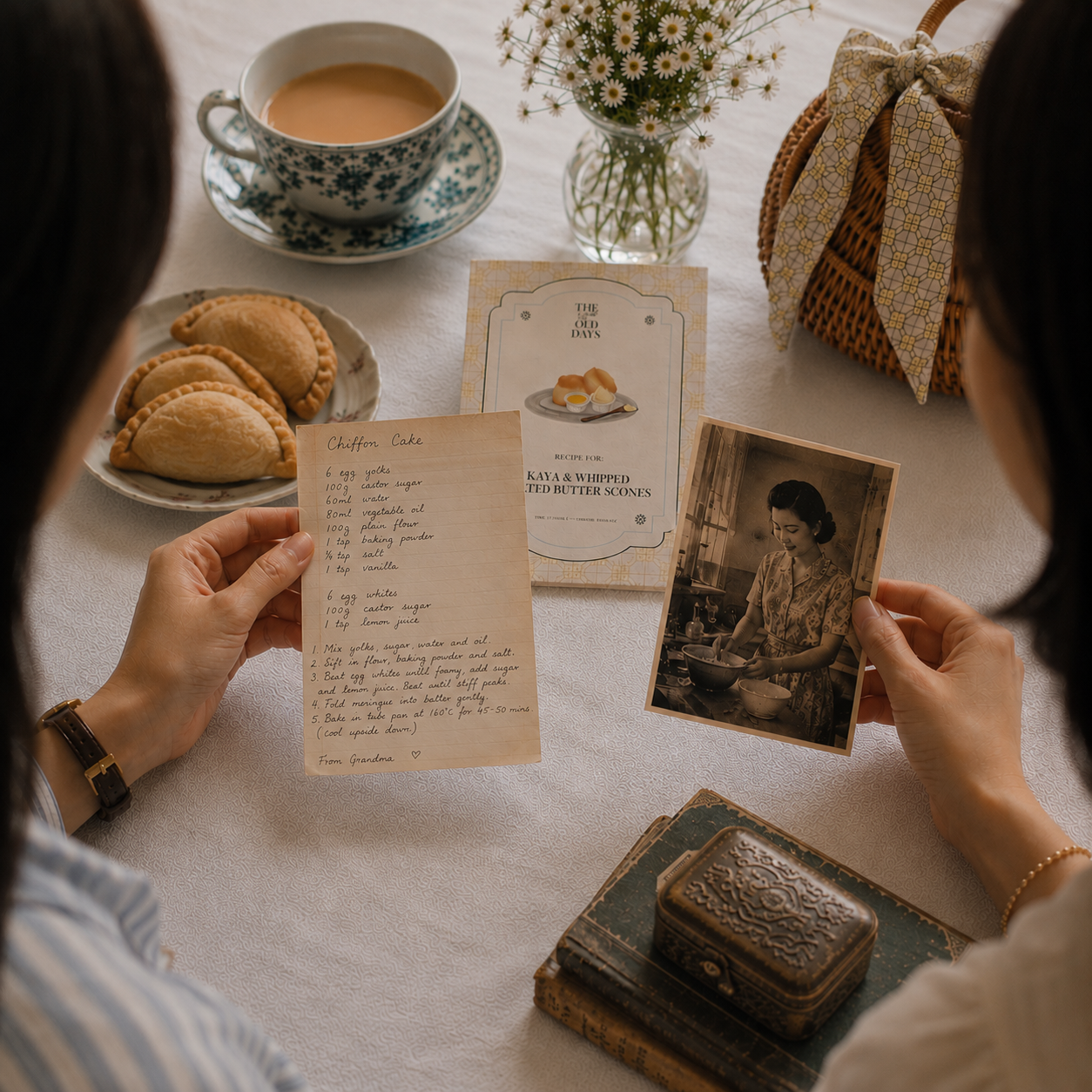
Create reasons for stories to move between people and generations.
Tactile

Use food, objects, print and physical details to make memory tangible.
Shared
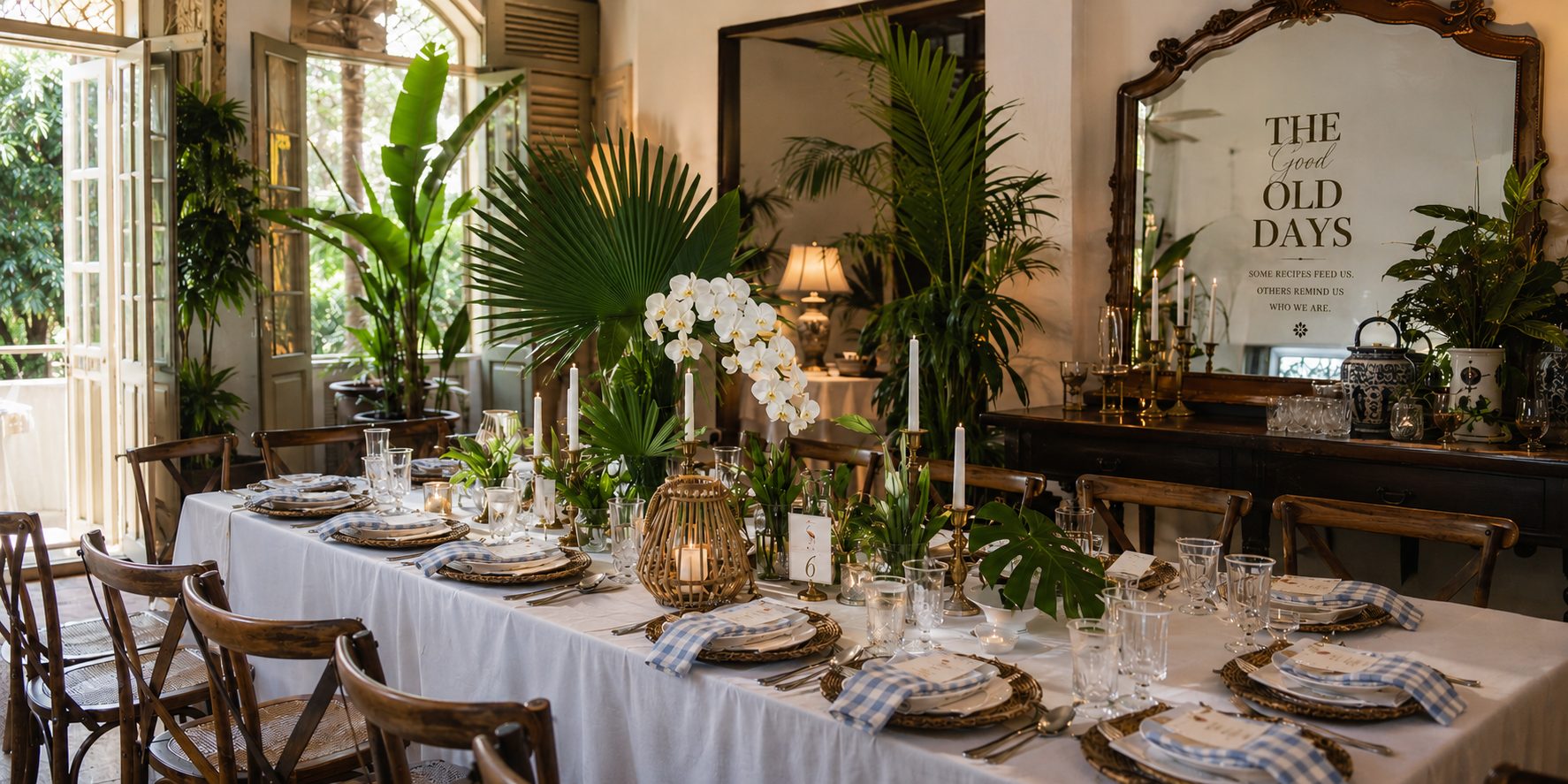
Bringing Memory to Life
The Good Old Days identity was designed as a container for these stories rather than the story itself.
The concept could move between recipes, printed pieces, gatherings, content, objects and other cultural experiences while retaining the same sense of warmth, familiarity and discovery.
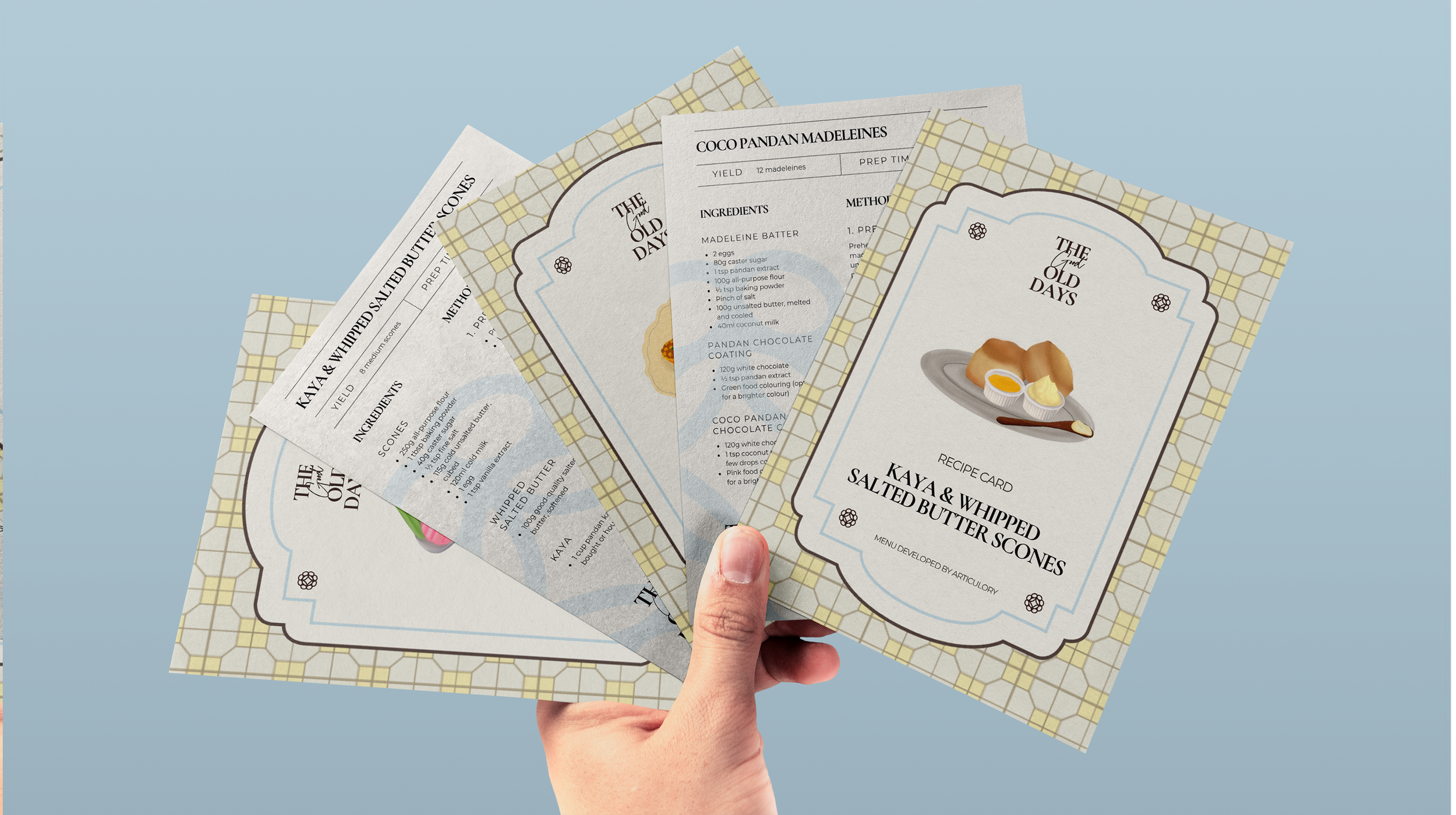
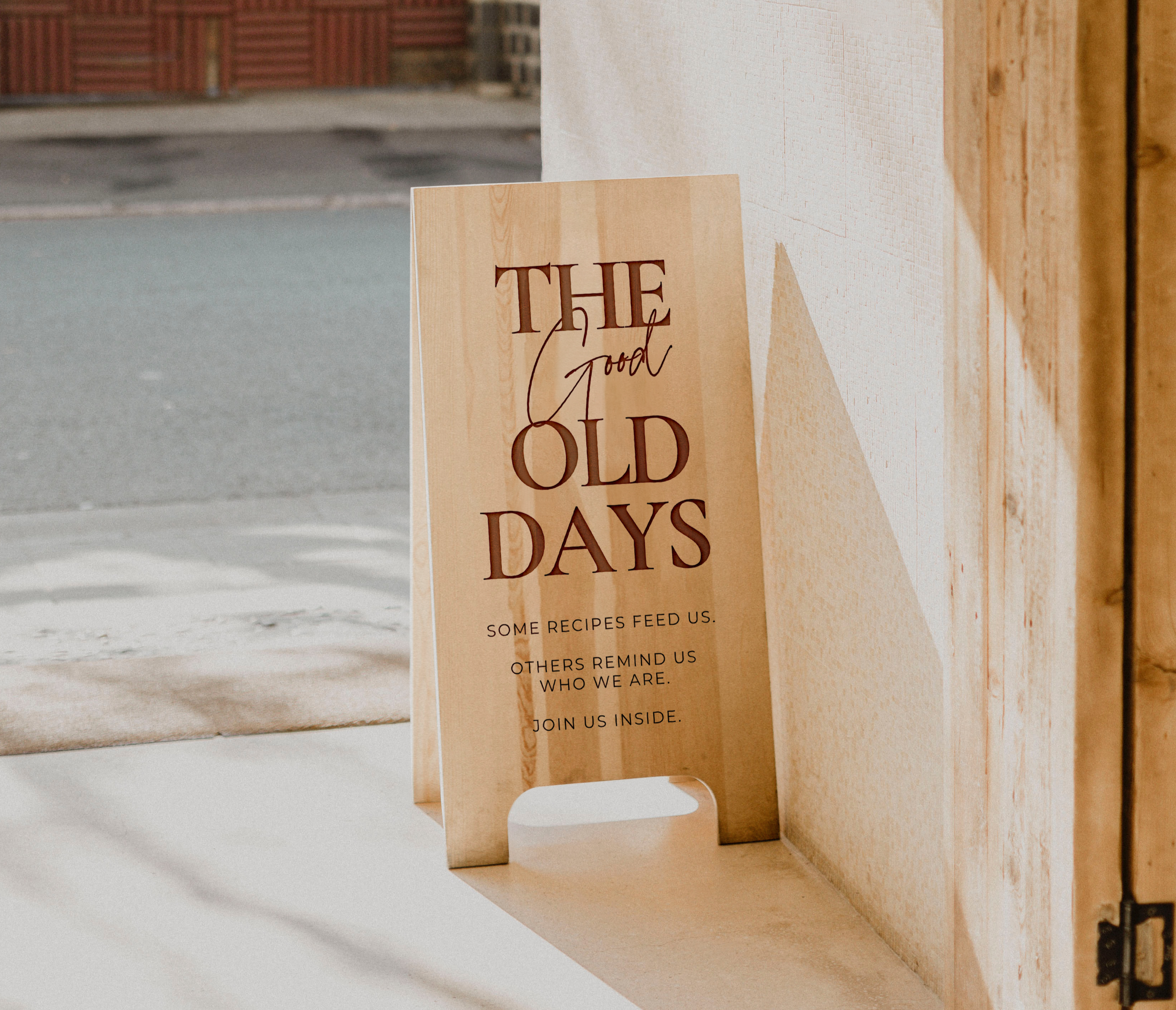
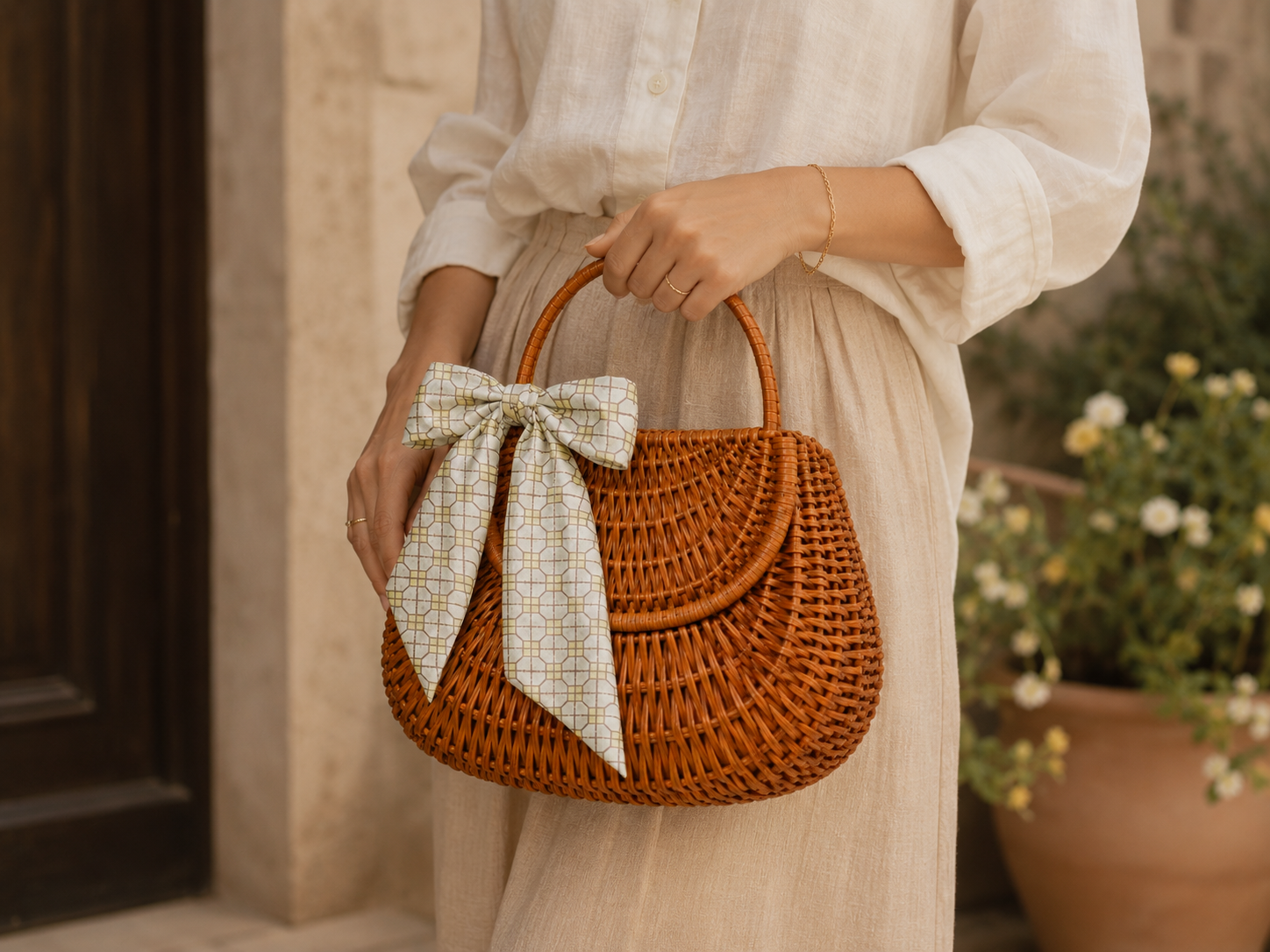

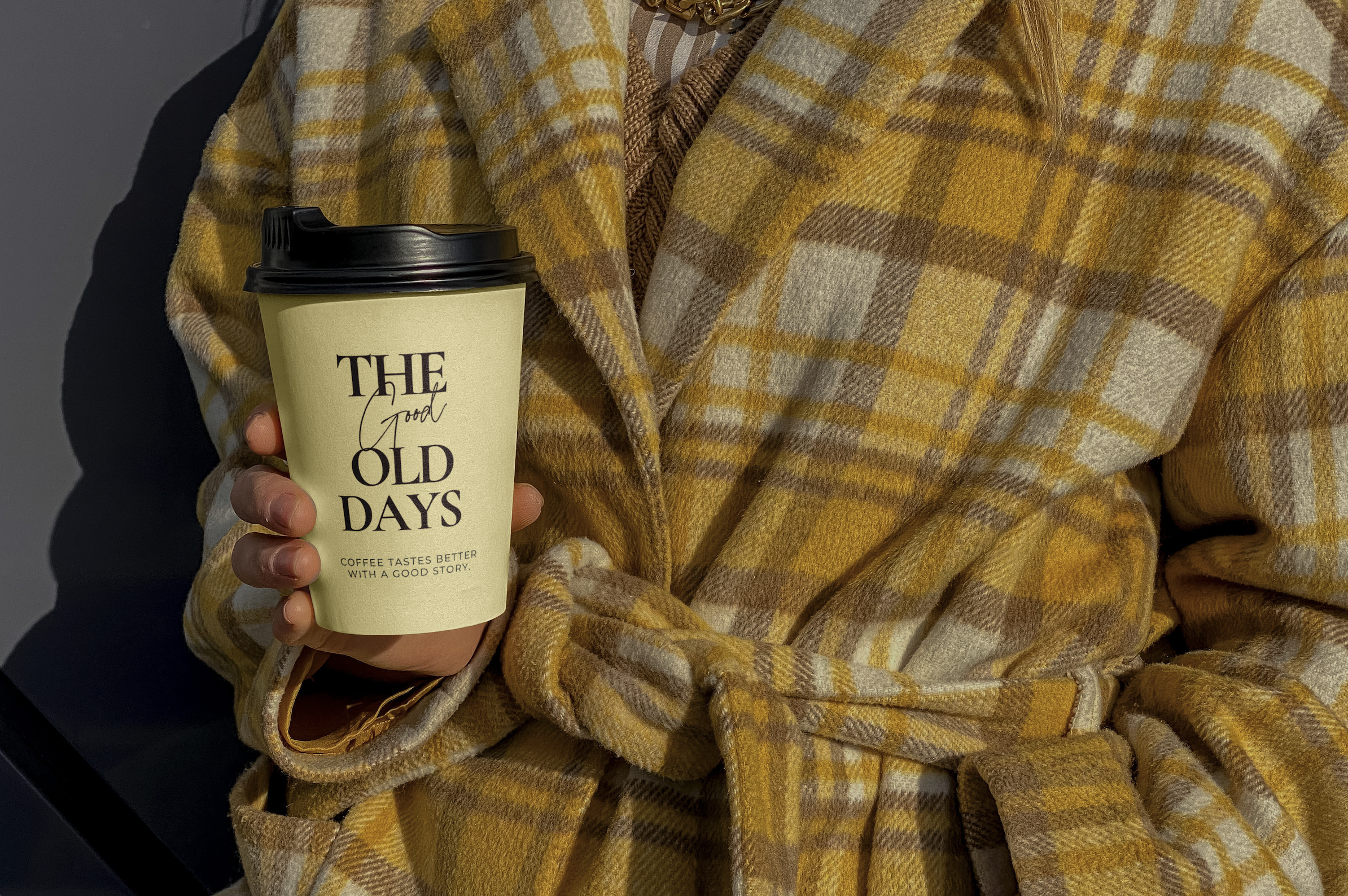

From remembering to sharing.
Good Old Days transformed a simple observation about memory into an expandable cultural experience — one capable of living through stories, food, objects, content and gatherings. It shows how one central idea can create not only a visual identity, but a world of experiences people can recognise themselves within.